What is
Primary Ciliary Dyskinesia?

Transforming Diagnosis and Treatment: Rare Disease Summit
PCD Research is co-hosting a summit together with Alexion, and co-sponsorted by Alexion, GSK, Eli Lily, LifeArc and Weatherden
PCD Research
About
Medical research charity, registered with the UK Charity’s Commission January 2022.
What is PCD
Inherited multi-system disorder that leads to repeated chest infections and worsening lung damage with time.
Need for PCD Research
Currently there are no treatments that have been shown to prevent or reduce permanent lung damage in PCD.
Why PCD Research
Only charity globally funding research towards a cure for PCD and calling for improved standards of care.
1 in 7,500
people have PCD
1 in 20
people are carriers for PCD
50+
genes cause PCD
Donate today

Your donation will help to make sure the world-class research taking place for those who so desperately need it continues.
If we act now, we can create a future where everyone who is born with Primary Ciliary Dyskinesia is supported to live better or cured.
Challenges
01
Heterogenous
Over 50 genes cause PCD and this makes it harder to develop effective treatments.
02
Models of PCD
There is a global shortage of models of PCD. This makes research more difficult, especially when investigating if a treatment can get cilia moving.
03
Delivery
Getting any new therapy deep inside the lungs, past the mucous, to the correct cells, will be challenging.
04
Awareness
There is a lack of awareness about PCD. This impacts funding opportunities, and supports a false belief that PCD is mild. Children with PCD have worse lung function than those with cystic fibrosis.

Research we are funding
0
therapies that reduce or prevent permanent lung damage and decline
<£8
spent on respiratory research per person in the UK with chronic lung disease
£400k
raised by PCD Research since January 2022
Help give people with PCD a brighter future

Aims
Learn more about the vision and mission of PCD Research.

Meet the families
PCD is associated with a huge burden of treatment and disease. Hear people’s stories first hand.


Standard of Care
PCD Research is calling for an improved standard of care, and evidence based treatment for PCD. Read more here.
Information for Researchers

Events

Co-funding Research
The project aims to restore the movement of cilia (tiny hair-like structures in the lungs) by delivering mRNA to replace the faulty CCDC39 protein. If successful, this method could be a significant advance in creating more effective, targeted treatments for PCD.
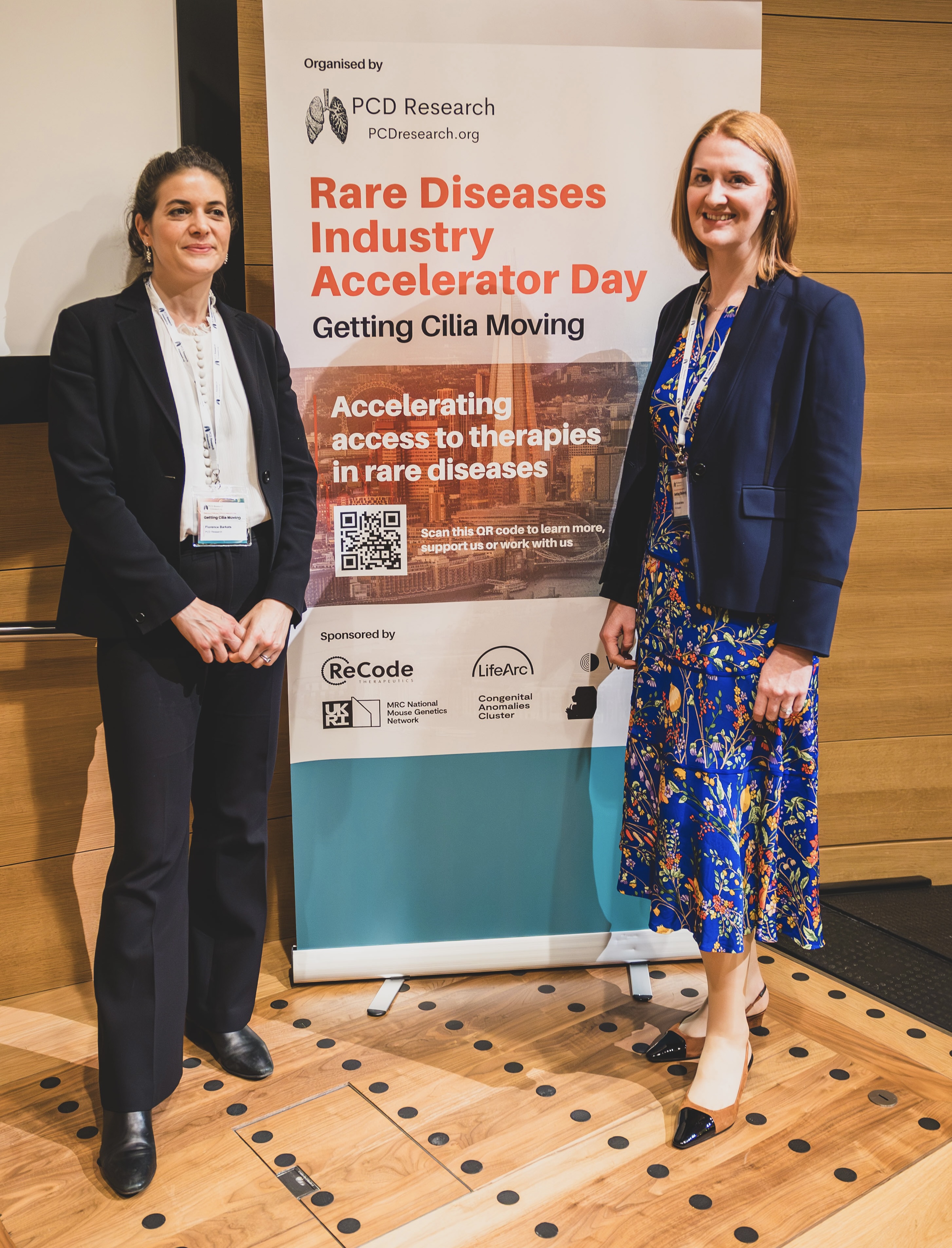


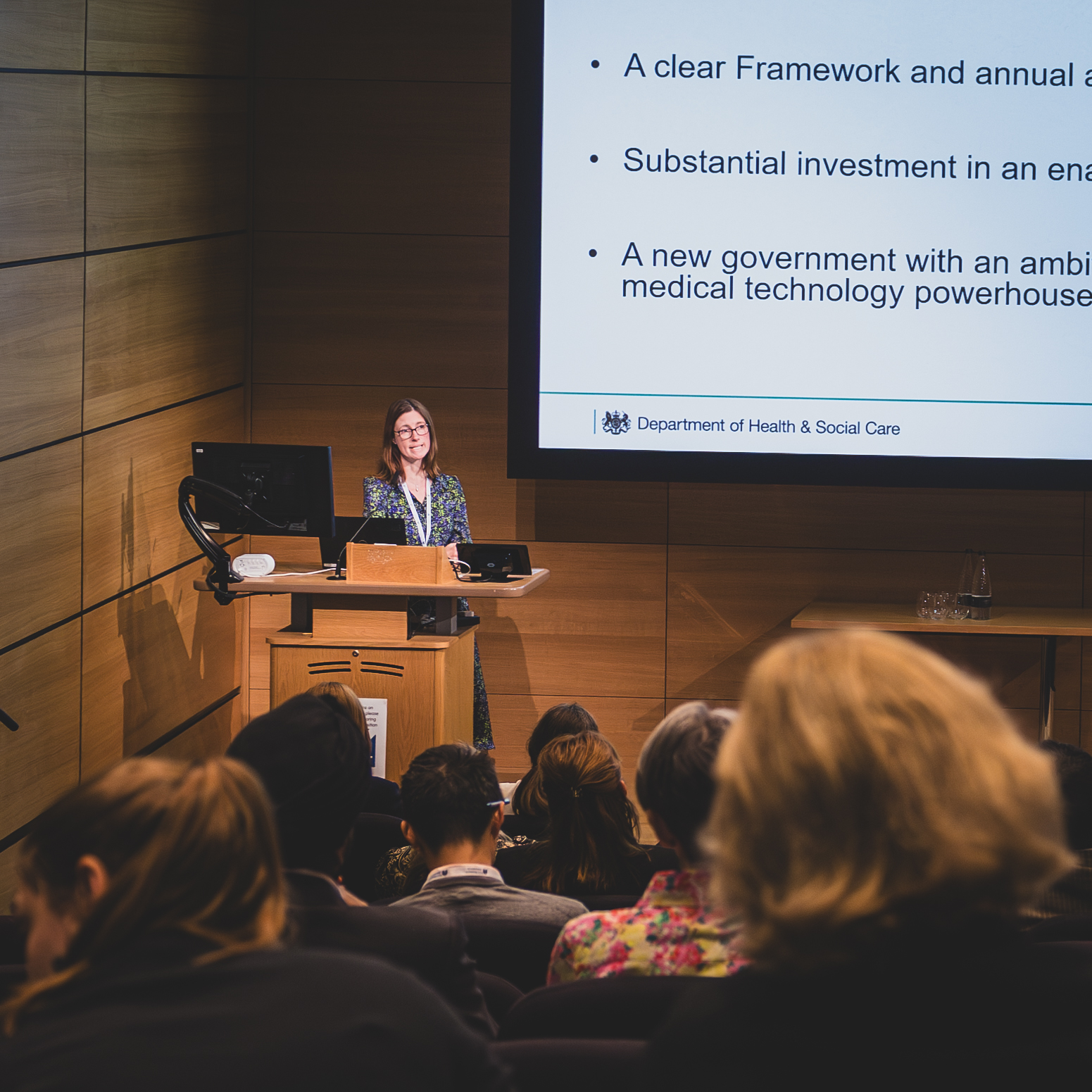




Industry Accelerator Day
To mark the start of PCD awareness month, on the 1st October 24 we hosted our first Rare Diseases Industry Accelerator Day. Find out more here.

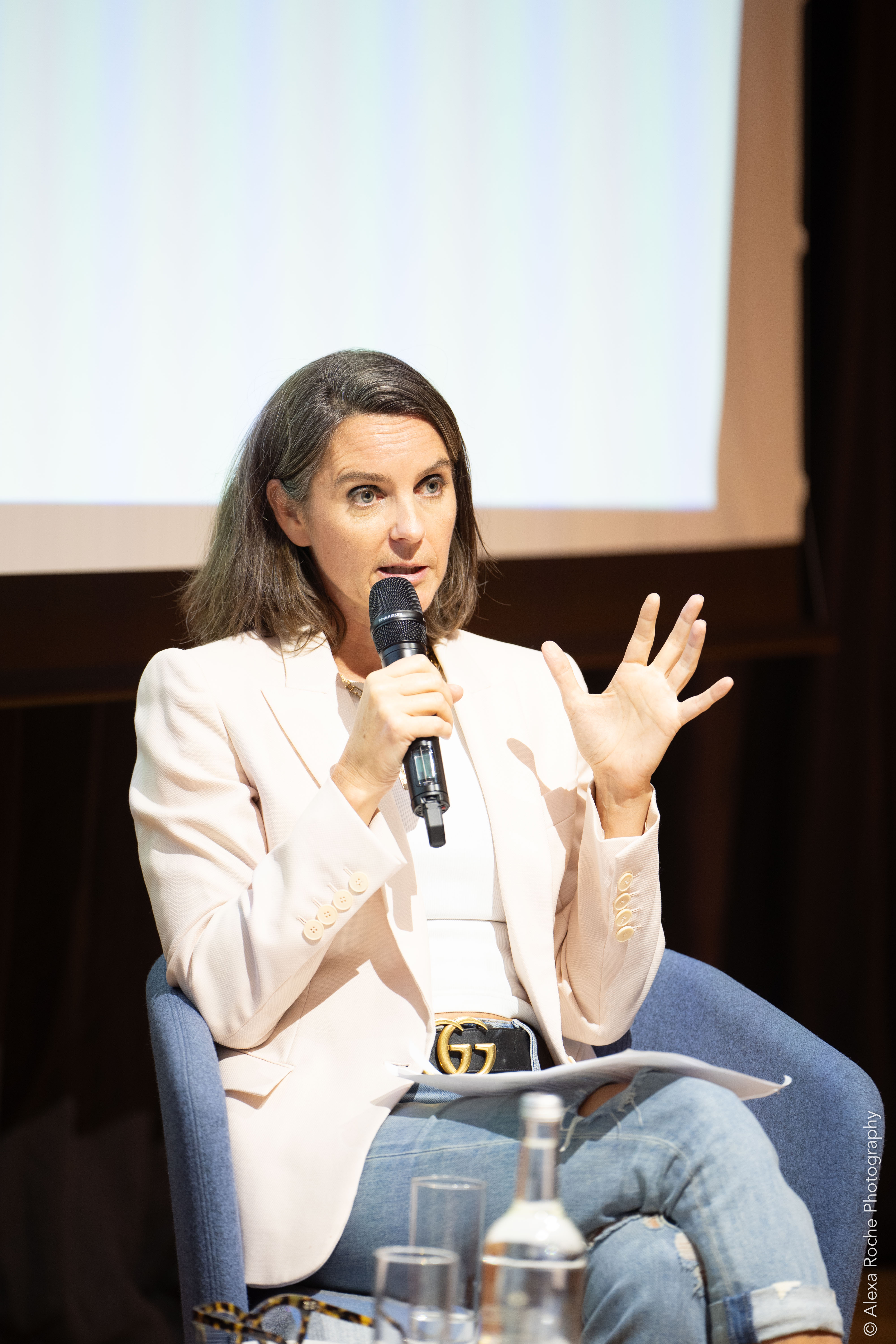

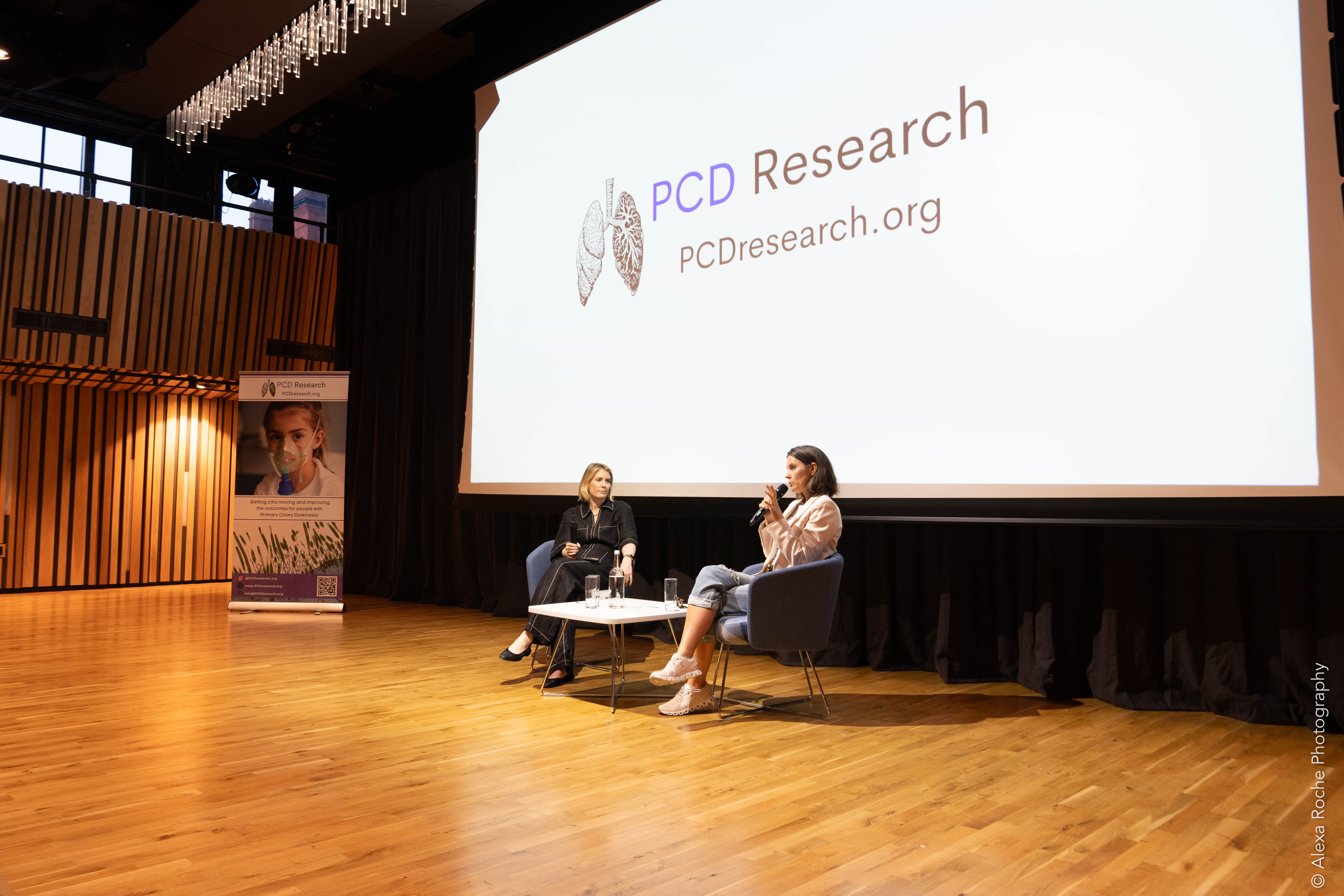


Raising awareness
In May 2024, we held our first awareness event. CEO of Channel 4, Alex Mahon was in conversation with Editor in Chief of Grazia, Hattie Brett, followed by an auction.
LifeArc Rare Disease
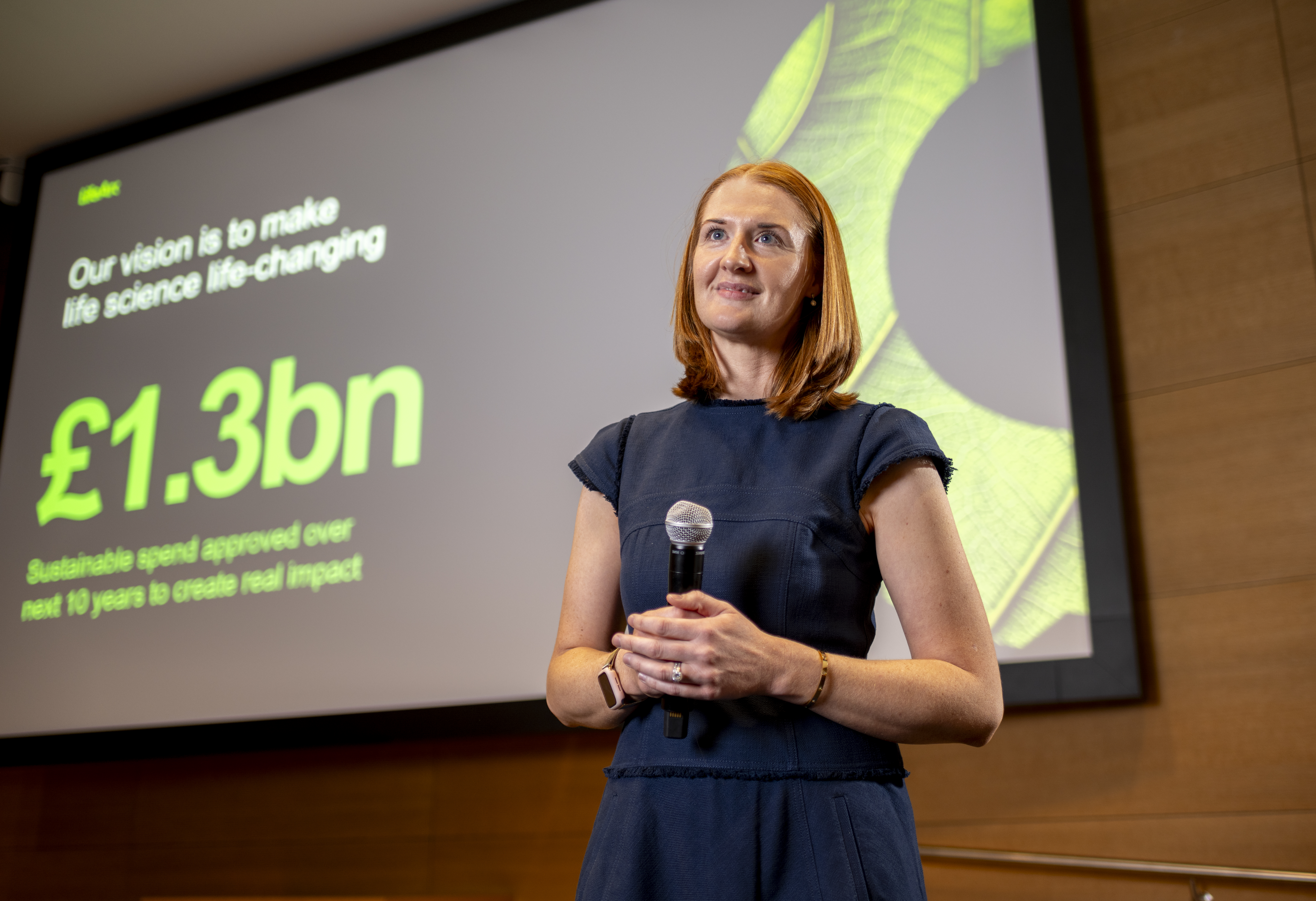
Founder and Chair of PCD Research, Dr Harriet Holme was invited to talk about the challenges of rare disease at the Lifearc Rare Disease Translational Challenge launch. We are delighted to be involved in one of the successful grant bids to launch a £9.4 million Rare Respiratory Centre.
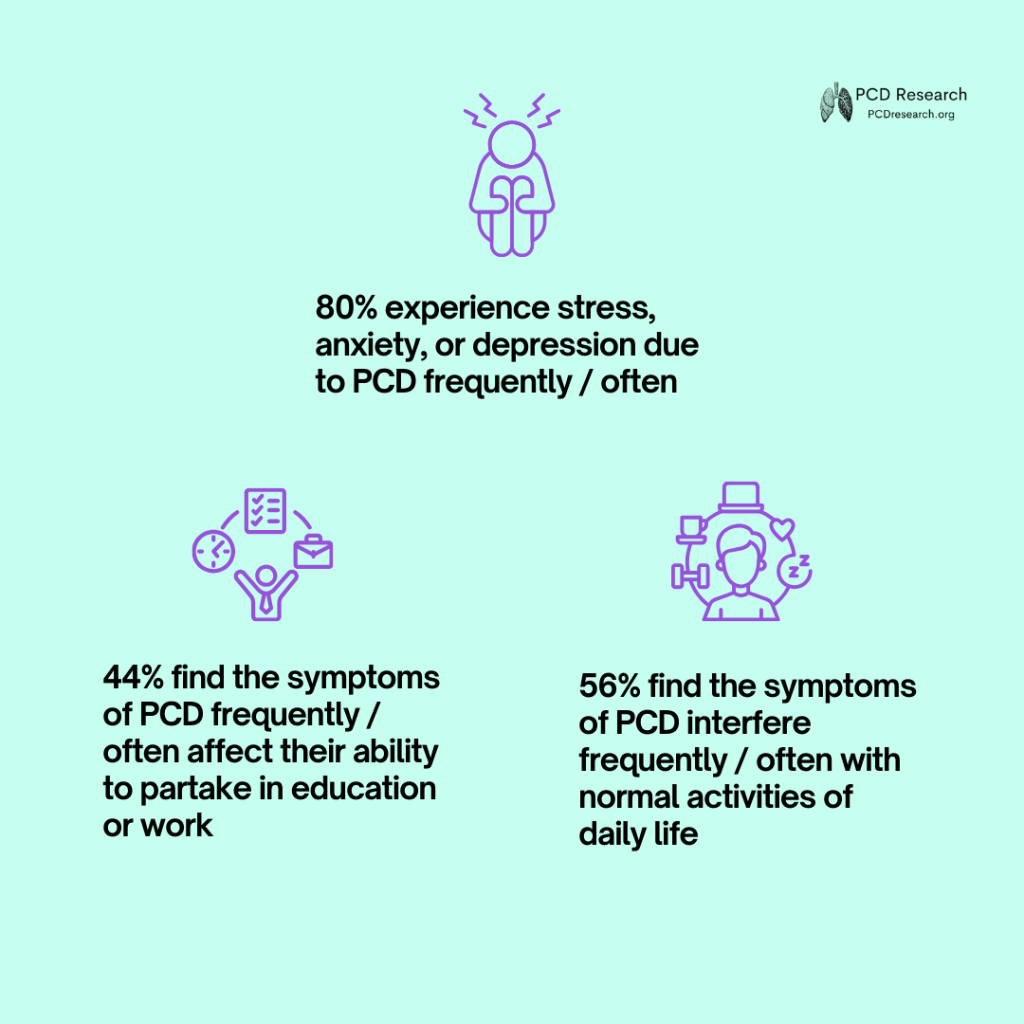
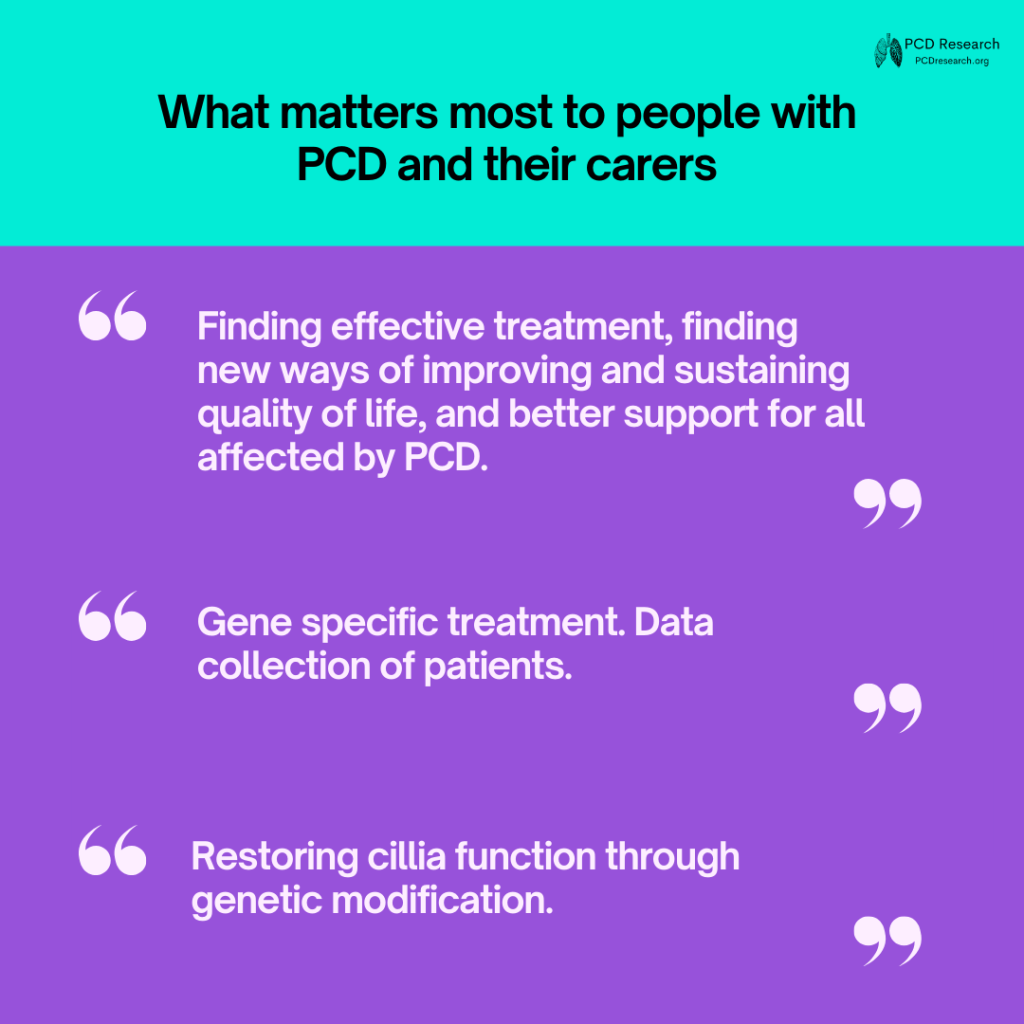
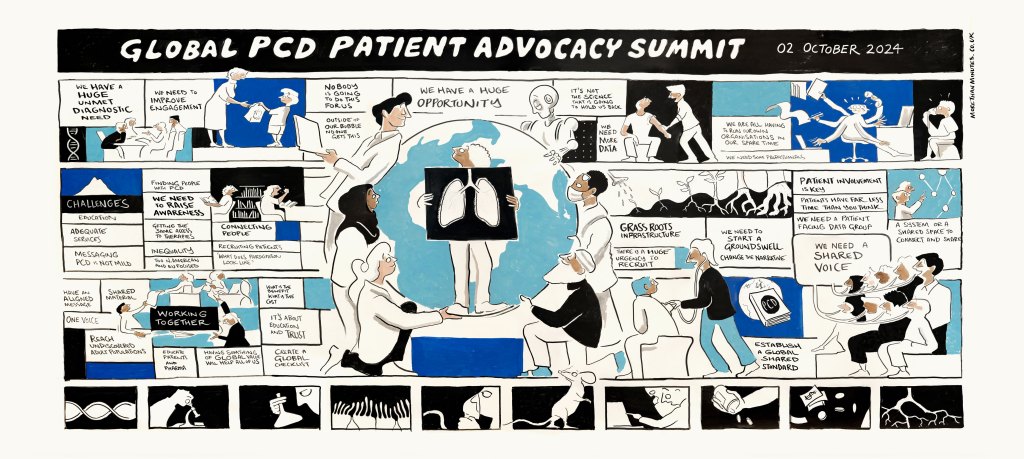
To mark PCD awareness month we surveyed patients and parents of children with PCD to find out their priorities.




Meet the trustees

Latest news
Find out all the latest news and announcements about PCD, research, grants, clinical trials and more.
Organisations we work with

AMRC
PCD Research is a member of Association of Medical Research Charities (AMRC) recognising the processes we have put in place to ensure we are funding research of the highest standards.

NATA
PCD Research is working with NATA to fund a £250k two year research project aiming to progress the development of mRNA therapy for PCD.

Genetic Alliance
PCD Research is a member of Genetic Alliance, to support work on rare disease including PCD.

Pinsent Masons
Pinsent Masons represents PCD Research in a pro bono capacity.
Have a question?